
Lots of people have flat feet and never think about them. Then they start working 12-hour shifts on hospital floors, and by the end of the third one their arches, ankles or knees have opinions. If your old shoes wear down on the inside edge of the heel, or your feet seem to roll inward as you get tired, you are in good company.
Good news first: the NHS says flat feet usually do not cause problems, and if yours do not hurt, you do not need to do anything. But if your feet ache by the end of a shift, a supportive shoe or an arch support insole may make long days more comfortable. Below we compare stability shoes from the big running brands, two insoles, and a premium pick for people who want support and plush cushioning together.
The short version
7 picks- 01 Best all-round support Brooks Adrenaline GTS $124.95 Amazon
- 01 Best all-round support Brooks Adrenaline GTS Amazon UK
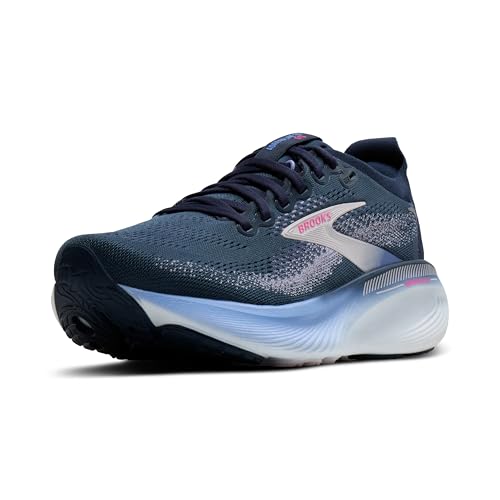
- 02 Plush support (premium) Brooks Glycerin GTS $142.53 Amazon

- 02 Plush support (premium) Brooks Glycerin GTS Amazon UK
- 03 Support plus wide sizes New Balance Fresh Foam X 860 $145.00 Amazon

- 03 Support plus wide sizes New Balance Fresh Foam X 860 Amazon UK
- 04 Firmer, steady feel ASICS GT-2000 $104.95 Amazon

- 04 Firmer, steady feel ASICS GT-2000 Amazon UK
- 05 HOKA fans HOKA Arahi $144.00 Amazon

- 05 HOKA fans HOKA Arahi Amazon UK
- 06 Firm insole Superfeet Insoles $59.95 Amazon

- 06 Firm insole Superfeet Insoles Amazon UK
- 07 Cushioned insole Powerstep Pinnacle Insoles $51.99 Amazon

- 07 Cushioned insole Powerstep Pinnacle Insoles Amazon UK
What actually helps
- Supportive, well-fitting shoes. The NHS says wide, comfortable shoes with a low heel are usually best for flat feet. Running brands make “stability” or “support” shoes that add guidance around the heel or arch for feet that roll inward.
- Arch support insoles. The NHS says insoles will not change the shape of your feet, but they can ease pain or stiffness, and a foot specialist can advise on which kind. Cleveland Clinic also lists orthotics and stretching exercises.
- Fit before features. CCOHS says a work shoe should match the shape of your foot, hold your heel firmly and fasten across the instep, so your foot does not slide forward.
- Breaks and variety. CCOHS notes that long standing affects the whole body, from feet to back. Sitting when you can and changing position helps more than any shoe.
When you try a support shoe on, it should feel steady, not like something is pushing up hard into your arch. Walk around on a hard floor for a few minutes, in the socks you wear to work. If it feels awkward or presses in one spot, try another model. Support shoes from different brands feel quite different from each other.
A support shoe is not the answer for everyone. If your feet are flexible, happy and pain free, a comfy neutral shoe may suit you just fine.
How the picks compare
| Pick | Support type | Cushion | Widths | Wipe-clean | Best for |
|---|---|---|---|---|---|
| Brooks Adrenaline GTS | Stability (heel guide) | Medium-high | Narrow to extra wide | No | Most people with flat feet |
| Brooks Glycerin GTS | Stability (heel guide) | Max | Regular, wide | No | Plush feel with support |
| New Balance 860 | Stability (firmer inner foam) | Medium-high | Narrow to extra wide | No | Flat feet that are also wide |
| ASICS GT-2000 | Stability (midfoot) | Medium | Regular, wide | No | A firmer, steady ride |
| HOKA Arahi | Stability (inner frame) | High | Regular, wide | No | HOKA feel with more support |
| Superfeet insoles | Firm arch insole | Low | By size | N/A | Adding firm support to any shoe |
| Powerstep Pinnacle | Semi-rigid arch insole | Medium | By size range | N/A | A softer insole option |
None of the running shoes here are fluid resistant. If you work somewhere messy, keep a wipe-clean pair for those shifts and add an insole to it.
The all-round support shoe
The Adrenaline is the support shoe we would point most people to first. Its GuideRails sit on either side of the heel to keep a tired foot from rolling in, without the stiff, clunky feel of old-style stability shoes. It comes in a wide range of widths too.
Brooks Adrenaline GTS
Cushioning with a bit of guidance for feet that roll in.
Brooks' everyday support shoe. Its GuideRails sit either side of the heel to keep a tired foot from rolling inward late in a shift, without the stiff, clunky feel of old-style stability shoes.
- Type
- Supportive (stability) running shoe
- Support
- GuideRails around the heel
- Widths
- Narrow to extra wide, depending on size
Best for
Flat feet, low arches and anyone whose ankles or knees ache when their feet roll in.
Worth knowing
If your feet are neutral you may not need the extra support. Mesh upper, so not splash proof.
The premium pick
The Glycerin GTS uses the same GuideRails idea with Brooks’ softest, thickest cushioning. It is the priciest shoe here, and it makes sense if you are on your feet for three or four long shifts a week and want support without a firm feel.
Brooks Glycerin GTS
The plush support shoe, for when you want both.
Brooks' most cushioned support shoe: the soft Glycerin ride with the same GuideRails idea as the Adrenaline, so the heel is guided without a stiff feel.
- Type
- Max-cushion stability running shoe
- Support
- GuideRails around the heel
- Widths
- Regular and wide in many sizes
Best for
Flat feet on long walking shifts, when the Adrenaline feels too firm.
Worth knowing
The priciest support shoe here. Mesh upper, so keep a wipe-clean pair for messy shifts.
Support with real width choices
Flat feet are often wide feet too. The 860 is New Balance’s stability shoe, and New Balance offers more widths than most brands, up to extra wide in many sizes. If width is your main problem, our wide feet guide has more options.
New Balance Fresh Foam X 860
Support and real width choices in one shoe.
New Balance's stability trainer, with a firmer section of foam on the inside to guide a foot that rolls in, and the wide range of widths New Balance is known for.
- Type
- Stability running shoe
- Widths
- Narrow to extra wide, depending on size
Best for
Flat feet that are also wide, and anyone who needs a true wide or extra wide stability shoe.
Worth knowing
Width options vary by color and size, so check the listing before you order. Mesh upper, not splash proof.
A firmer, steady feel
Some people find soft shoes feel wobbly by the end of a long day. The GT-2000 is a little firmer and more traditional, with support around the midfoot. It is a good fit for anyone who likes to feel the floor a bit more.
ASICS GT-2000
Everyday stability that does not feel like a brace.
ASICS' everyday stability running shoe. The maker describes adaptive stability support and a secure midfoot fit, with gel and foam cushioning underneath.
- Type
- Stability running shoe
- Support
- Guidance around the midfoot, per the maker
- Widths
- Regular and wide in many sizes
Best for
Flat feet and low arches, and anyone whose feet roll inward by the end of a long shift.
Worth knowing
Firmer and less plush than a max-cushion shoe. The mesh upper is not fluid resistant.
For HOKA fans
Love the rocker feel of the Clifton but need more support? The Arahi is HOKA’s stability shoe. It keeps the cushioning and adds a firmer frame along the inside of the foam. Torn between HOKA and a clog? See our Dansko vs HOKA guide.
HOKA Arahi
HOKA cushion with a steadier middle.
HOKA's stability shoe. Instead of a hard post under the arch, HOKA says it uses a firmer frame along the inside of the foam to guide a foot that rolls in, with the soft rocker feel the brand is known for.
- Type
- Stability running shoe
- Feel
- Cushioned, rocker sole
- Widths
- Regular and wide
Best for
People who like the HOKA feel but want more support than a Clifton, especially with flat feet or sore heels.
Worth knowing
Firmer than a Clifton or Bondi. Mesh upper, so not splash proof.
Insoles: support you can move between shoes
If you already have shoes you like, or you work in clogs or slip-resistant work shoes with thin, flat footbeds, an insole is the cheaper way to add arch support. Superfeet is firm and structured, with a deep heel cup. Give it a few days to break in.
Superfeet Insoles
Arch support you can move between pairs.
A firm, structured insole with a deep heel cup, often used to add support to clogs and work shoes.
- Support
- Structured arch, deep heel cup
- Fit
- Trim to size
Best for
Flat or tired arches, and shoes with flimsy stock insoles.
Worth knowing
Firm by design. Break them in over a few days.
The Powerstep Pinnacle is a little softer, with a semi-rigid arch and a cushioned top layer. Either way, check your shoes still fit once the insole is in. An insole takes up room.
Powerstep Pinnacle Insoles
A cushioned arch support that fits most work shoes.
A full-length over-the-counter orthotic insole with a semi-rigid arch shell, a deep heel cup and a cushioned top layer. The maker sells it for arch and heel comfort.
- Support
- Semi-rigid arch, deep heel cup
- Length
- Full length
- Fit
- Sized by shoe size range
Best for
Adding arch support and heel cushion to a shoe you already like, and people who find Superfeet too firm.
Worth knowing
Takes up room in the shoe, so a snug pair may get tighter. Sized in ranges. Not a replacement for seeing a podiatrist about pain that keeps coming back.
What to skip
- Very soft, unstable shoes. If your foot sinks and wobbles, you may feel it in your ankles by hour ten.
- Flat, thin soles. Fashion sneakers and ballet flats give your arches nothing to rest on.
- Shoes that are too tight. The NHS suggests wide, comfortable shoes. Squeezing a flat foot into a narrow shoe rarely ends well.
- Insoles in shoes that are already snug. Size up a half or go for a wider fit instead.
- Rigid, hard orthotics bought online without advice. If you think you need a strong correction, get it fitted by a podiatrist.
When to see a doctor or podiatrist
The NHS says to see a doctor if your feet are painful, stiff, weak or numb, if you often hurt your feet or ankles, if you have trouble walking or balancing, if your feet became flat when they were not before, or if only one foot is affected. Cleveland Clinic says to see an orthopedist or podiatrist if you have symptoms, and to go back if nonsurgical treatment is not helping. A podiatrist can tell you whether you need support at all, and what kind.
More for tired feet
Shoes work best with compression socks and a decent recovery routine. Our main nursing shoe guide covers sizing and when to replace a pair, and if your heels hurt too, see the plantar fasciitis guide. If you are weighing two HOKAs, read Clifton vs Bondi. Unit by unit, we have shoe guides for the ER, OR, ICU, med-surg and labor and delivery.
Your unit’s dress code comes first, and if foot pain does not go away, please see a doctor or podiatrist.