
Clogs or running shoes is the oldest argument in the break room, and it has outlasted several hospital directors. On one side: Dansko, the firm leather clog that some nurses have worn for decades. On the other: HOKA, the soft, tall running shoe that turned up on every unit almost overnight. Both camps are right, just about different shifts.
The quick answer: pick a Dansko if you want firm support, a wipe-clean upper and a shoe that can last for years, and your unit allows an open back. Pick a HOKA if you want soft cushioning, a light shoe, lots of width options and almost no break-in. If you work somewhere messy and walk a lot, owning one of each is not indulgent. It is strategy.
The short version
4 picks- 01 Classic clog Dansko Professional Clog $139.95 Amazon

- 01 Classic clog Dansko Professional Clog Amazon UK
- 02 Lighter clog Dansko XP 2.0 Clog $164.80 Amazon
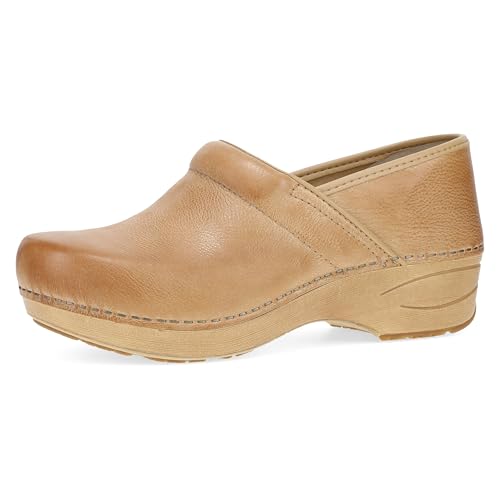
- 02 Lighter clog Dansko XP 2.0 Clog Amazon UK
- 03 Light cushioned shoe HOKA Clifton $153.95 Amazon

- 03 Light cushioned shoe HOKA Clifton Amazon UK
- 04 Most cushion HOKA Bondi $164.90 Amazon

- 04 Most cushion HOKA Bondi Amazon UK
Clogs vs HOKAs at a glance
| Dansko clogs | HOKA running shoes | |
|---|---|---|
| Cushion | Firm, supportive footbed | Soft, thick foam |
| Weight feel | Heavier, solid | Light (Clifton) to chunky (Bondi) |
| Stability | Firm platform, but an open back can let the ankle roll | Laced, heel held in place |
| Width options | Limited; check the maker’s fit guide | Regular and wide |
| Wipe-clean | Yes, leather uppers | No, mesh uppers |
| Break-in | A week or two to get used to | Comfortable almost straight away |
| Lifespan | Many owners get years from a pair | Foam wears out sooner with daily use |
| Best for | Standing, spills, people who like firm | Walking, soft-shoe lovers, wide feet |
Dansko clogs: firm, wipeable, built to last
The Dansko Professional is the classic nursing clog: a leather upper, a firm footbed and a rocker bottom that rolls you forward. Fluids wipe straight off, which matters a lot more in the OR or on L&D than it does in a shoe store. People who love them tend to love them for years.
The catch is the getting used to it. Clogs feel stiff at first, and the open back means your heel is not strapped in. If you are not used to that, it is easier to roll an ankle, especially on a wet floor or a fast turn. Some units require a closed back for exactly this reason.
Dansko Professional Clog
The classic nursing clog. Firm, wipeable, built for years.
A leather clog with a rocker bottom and a firm, supportive footbed. Fluid wipes straight off, and many owners get years from a pair.
- Upper
- Leather
- Sole
- Rocker bottom
- Clean
- Wipe clean
Best for
People who like firm support, need a wipe-clean shoe, or have worn clogs before.
Worth knowing
Heel-free clogs can roll an ankle if you are not used to them, and some units require a closed back. Check your dress code.
If the classic feels heavy, the XP 2.0 is a lighter Dansko with a padded collar and a slip-resistant outsole, which the maker says is made for wet and oily floors.
Dansko XP 2.0 Clog
The clog for people who find the classic too heavy.
A lighter Dansko clog with a wipe-clean upper, a padded collar and a slip-resistant outsole that the maker says is made for wet and oily floors.
- Upper
- Leather, wipe clean
- Outsole
- Slip resistant, per the maker
Best for
Long bedside standing, spills, and people who like clogs but not the weight.
Worth knowing
Like any clog it takes a week or two to get used to. The open back is not allowed on every unit.
HOKA running shoes: soft, light, laced in
HOKA’s two big hospital shoes are the Clifton and the Bondi. Both have tall foam midsoles and rocker soles, and both lace up, which keeps your heel where it belongs. CCOHS advises a shoe that holds the heel firmly and fastens across the instep, and a laced running shoe does that without trying.
The downside is the mesh. It breathes, but it soaks up whatever lands on it, and the foam does not last as long as a clog under daily use. We compare the two HOKAs in detail in HOKA Clifton vs Bondi.
HOKA Clifton
The shoe you see on half the unit, for a reason.
A lightweight, thickly cushioned road shoe with a rocker sole that rolls you forward, which is why it turns up on so many hospital floors.
- Type
- Neutral cushioned running shoe
- Feel
- Soft, light, rocker sole
- Widths
- Regular and wide
Best for
Long shifts on hard floors when you want soft cushioning without a heavy shoe.
Worth knowing
The mesh upper is breathable but not fluid resistant. Wipe it down, and keep a second pair for nights out.
HOKA Bondi
Maximum cushion for maximum hours.
HOKA's most cushioned everyday shoe: a deep, stable stack of foam that feels like standing on a mat all shift.
- Type
- Max-cushion running and walking shoe
- Feel
- Thick, stable, rocker sole
- Widths
- Regular and wide
Best for
Heavier walkers, sore heels and anyone who wants the most padding they can get.
Worth knowing
Bulky and firm-ish at first. Give it a few shifts before judging.
Which should you buy?
12-hour shifts on hard floors. If you walk miles, the HOKA’s soft, light ride usually wins. If you stand in one place for hours, some people find the clog’s firm support less tiring than sinking into soft foam. Hard floors are tough either way, according to CCOHS, so whichever you choose, keep it in good shape.
Wide feet. HOKA, fairly clearly. Both the Clifton and Bondi come in wide, and running shoe uppers give more than leather does.
Ankle stability. If you have rolled an ankle before, or you pivot a lot, a laced shoe holds you better than an open-back clog. That is the strongest argument for HOKA.
Fluids. Dansko. A leather clog wipes clean. Mesh does not. If you work in the OR, L&D or the ER, see our OR shoe guide, labor and delivery shoe guide and ER shoe guide.
Budget. A Dansko costs more up front but tends to last longer. A HOKA is often cheaper per pair but needs replacing sooner. Over a year, it can come out closer than you think.
ICU and med-surg. Long bedside standing suits either. The ICU shoe guide and med-surg shoe guide cover both styles.
What to skip
- Clogs a half size too big. A loose clog makes your toes grip with every step. They should be snug at the instep with a little heel movement, not a lot.
- Judging a clog on day one. They feel strange at first. Wear them for short shifts before you give up.
- HOKAs on splash-heavy shifts with no backup. Keep a wipe-clean second pair in your locker.
- Ignoring the tread. NIOSH counts slips, trips and falls among the most common hospital injuries. Smooth soles go in the bin.
Are clogs bad for your feet?
Not for everyone. Many nurses wear them happily for years. They suit people who like firm support and do not need a heel strap. If you have ankle problems or your feet hurt in firm shoes, a laced cushioned shoe is probably the better start. Persistent foot pain is worth a visit to a podiatrist.
Can I rotate clogs and running shoes?
Yes, and it is a good idea. Rotating lets each pair dry out between shifts and spreads the wear. Pair either with compression socks on long days. For a different matchup, read Brooks Ghost vs HOKA Clifton, or see the whole list in our best shoes for nurses guide.
Follow your own unit’s dress code and infection control rules, which always come first.