
Working in the OR is a strange kind of hard. On a floor unit you walk miles. In the OR you might barely move for four hours, in a room cold enough to keep milk, wearing a mask, a cap and possibly a lead apron, with no option to pop out for a snack. Your kit has to work for that, not for a twelve-hour hallway marathon.
This list is for the whole OR team: circulators, scrub techs, anesthesia, surgeons and residents. It skips the general basics (the locker room essentials cover those) and sticks to what is different once you go through the red line.
The short version
8 picks- 01 OR shoes Dansko Professional Clog $139.95 Amazon

- 01 OR shoes Dansko Professional Clog Amazon UK
- 02 Compression Physix Gear Compression Socks $18.82 Amazon

- 02 Compression Physix Gear Compression Socks Amazon UK
- 03 Cloth cap Satin-Lined Scrub Cap with Buttons $41.99 Amazon

- 03 Cloth cap Satin-Lined Scrub Cap with Buttons Amazon UK
- 04 Anti-fog Anti-Fog Lens Wipes, Individually Wrapped $12.95 Amazon

- 04 Anti-fog Anti-Fog Lens Wipes, Individually Wrapped Amazon UK
- 05 Warm layer Long-Sleeve Underscrub Tee $9.08 Amazon

- 05 Warm layer Long-Sleeve Underscrub Tee Amazon UK
- 06 Splash cases Disposable Non-Skid Shoe Covers $25.99 Amazon

- 06 Splash cases Disposable Non-Skid Shoe Covers Amazon UK
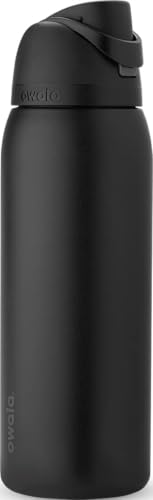
- 07 Water between cases Owala FreeSip Insulated Water Bottle (40 oz) $31.99 Amazon
- 07 Water between cases Owala FreeSip Insulated Water Bottle (40 oz) Amazon UK
- 08 Hands after scrubbing O'Keeffe's Working Hands Hand Cream $14.52 Amazon

- 08 Hands after scrubbing O'Keeffe's Working Hands Hand Cream Amazon UK
Shoes for standing still
Walking moves blood back up your legs. Standing still does not. That is why a long case can leave you sorer than a busy day on a ward, even though your step count looks lazy.
A review of research on prolonged standing at work, published in Rehabilitation Nursing, describes the AORN recommendation that caregivers should not stand for more than two hours at a stretch, or more than 30% of the workday, without something to reduce fatigue. AORN’s ergonomic tools list the options: anti-fatigue mats, sit-stand stools, a footstool to prop one foot on, and supportive footwear. You cannot bring a mat in your bag, but you can choose your shoes.
Most OR people settle on a firm, wipe-clean clog with a rocker sole. It holds your foot steady while you stand in one place and shrugs off whatever lands on it. Keep this pair for the OR only.
Dansko Professional Clog
The classic nursing clog. Firm, wipeable, built for years.
A leather clog with a rocker bottom and a firm, supportive footbed. Fluid wipes straight off, and many owners get years from a pair.
- Upper
- Leather
- Sole
- Rocker bottom
- Clean
- Wipe clean
Best for
People who like firm support, need a wipe-clean shoe, or have worn clogs before.
Worth knowing
Heel-free clogs can roll an ankle if you are not used to them, and some units require a closed back. Check your dress code.
The full rundown, including autoclavable clogs and budget pairs, is in our OR shoe guide.
Compression for long cases
Compression socks are close to standard kit for people who stand still at the table. A firmer 20 to 30 mmHg pair suits many people doing long cases, but if you have diabetes, nerve damage or any circulation condition, ask your doctor before you wear anything firm. Our compression sock guide explains the numbers.
Physix Gear Compression Socks
Firmer squeeze for legs that swell by hour eight.
A firmer graduated compression sock with a reinforced heel and toe, sold in plain colors and sizes by calf width.
- Compression
- 20 to 30 mmHg graduated
- Height
- Knee high
- Sizing
- By shoe size and calf
Best for
Legs that ache or swell late in a shift, when lighter socks do not do enough.
Worth knowing
20 to 30 mmHg is firm. If you have a circulation problem, diabetes or nerve damage, ask your doctor before wearing it.
A cap that passes the rules
Hair covering rules are where the OR differs most from everywhere else. AORN guidance calls for covering hair in semi-restricted and restricted areas, and leaves it to each facility to set its own process for reusable head coverings, including fabric and how they are laundered. Some ORs welcome cloth caps. Some want a disposable bouffant on top. Ask your educator before you buy a drawer full.
If cloth caps are allowed, a satin-lined one with mask buttons is kind to your hair and your ears.
Satin-Lined Scrub Cap with Buttons
Kind to your hair, kind to your ears.
A cloth bouffant or tie-back cap with a satin lining to cut frizz and side buttons to hook mask loops onto instead of your ears. Usually sold in multipacks.
- Lining
- Satin, by style
- Extras
- Mask buttons, sweatband on many
Best for
OR, procedure areas and anyone with long or textured hair.
Worth knowing
Some ORs allow only disposable caps, or need full cover of hair and ears. Check before you buy a stack.
Long hair, short hair, skull caps versus bouffants and how to wash them all: see OR scrub caps and layers.
Glasses that do not fog
If you wear glasses, a face shield or loupes, you already know the moment: mask on, breathe out, world gone white. A well-fitted mask with the nose wire pinched snug does most of the work. Anti-fog wipes do the rest. Keep a few in your scrub pocket and treat your lenses before you scrub in.
Anti-Fog Lens Wipes, Individually Wrapped
Because your glasses fog the moment the mask goes on.
Pre-moistened wipes that leave a thin anti-fog film on glasses, goggles and face shields. Individually wrapped, so one fits in a scrub pocket.
- Format
- Single wrapped wipes
- Use on
- Glasses, goggles, face shields
Best for
Anyone who wears glasses or a face shield under a surgical mask.
Worth knowing
Not every coating likes every product. Check the lens maker's care advice before using them on coated lenses or loupes, and do not use them on anything sterile.
A layer for the cold room
ORs are kept cool. A classic study of thermal comfort during surgery found surgeons preferred a cooler room and anesthesia staff a warmer one, and concluded that different clothing was the only practical fix. In real life that means the people sitting or moving less (anesthesia and circulators) get cold, while the scrubbed team under gowns and lights gets warm.
If you are not scrubbed in, a fitted long-sleeve underscrub is the simplest layer. Scrubbed staff wash to above the elbow, so sleeves are out for them.
Long-Sleeve Underscrub Tee
Freezing unit, warm arms, no bulky jacket.
A fitted long-sleeve base layer worn under a scrub top, for cold units and for covering arms without a jacket over the patient.
- Fit
- Fitted, stretch
- Use
- Under a scrub top
Best for
Cold units and night shifts, and anyone who runs cold.
Worth knowing
Some infection control policies ask for bare below the elbows. Check yours.
Shoe covers for the messy cases
OSHA’s bloodborne pathogens standard says shoe covers or boots must be worn when gross contamination can reasonably be expected, and it gives orthopedic surgery as an example. Your OR provides these. A box of your own is handy only if your room keeps running out. Look for non-skid soles: plain covers on a wet floor are an ice rink.
Disposable Non-Skid Shoe Covers
Cheap insurance for the shoes you actually like.
Fluid-resistant disposable covers with a non-skid sole, usually sold by the box of 100. Boot-height covers protect more of the leg on messy cases.
- Sole
- Non-skid
- Pack
- Usually 100 or more
- Styles
- Shoe height or boot height
Best for
Ortho, trauma and any case where you expect a lot of fluid on the floor.
Worth knowing
Most ORs stock their own. Buy a box only if yours runs short, and check that the sole is non-skid: plain covers are slippery on wet floors.
Water and food, OR style
No drinks in the room, and a long case does not pause for snacks. So hydration happens in bursts: before the case, at turnover, at lunch. A big bottle in the lounge with a straw makes it easy to drink a lot quickly. Pack food you can eat in five minutes standing up, and something salty and something sweet in your locker for the day lunch never happens. The shift bag guide has the lunch setup.
Owala FreeSip Insulated Water Bottle (40 oz)
Sip or swig, leakproof in a bag.
An insulated bottle with a built-in straw and a wide swig spout, with a locking lid that does not leak in a bag.
- Size
- 40 oz, other sizes too
- Lid
- Locking, straw and spout
Best for
Actually drinking water on shift, between rooms.
Worth knowing
Some units do not allow drinks at the station. A big bottle in the break room counts too.
Hands that survive scrubbing
Surgical hand antisepsis several times a day, plus gloves for hours, is rough on skin. The CDC hand hygiene guideline says regular use of hand lotion can help prevent irritant dermatitis, and also warns that some creams can reduce how well chlorhexidine works. So at work, use the lotion your facility supplies (it should be chosen to work with its scrub products). At home, a heavy, unscented cream overnight does the repair.
O'Keeffe's Working Hands Hand Cream
For hands washed fifty times a shift.
A concentrated, unscented hand cream made for cracked, dry hands. A little goes a long way.
- Scent
- Unscented
- Use
- Dry, cracked hands
Best for
Cracked knuckles from constant washing and sanitizer.
Worth knowing
Use it after shift or on breaks. Check your unit policy on lotions with gloves.
Your neck and back
An Epstein and colleagues meta-analysis in JAMA Surgery found neck, back and shoulder pain to be very common among surgeons and interventionalists, and called for proper ergonomics programs. Small habits help: raise or lower the table to your height rather than hunching, use a step stool when you are shorter than the surgeon, shift your weight and prop a foot during long cases. Then deal with it at home. The recovery guide covers massage guns, foot massagers and compression boots.
What to skip
- Jewelry and fancy watches. Most of it comes off before you scrub, and things that can fall into a sterile field do not belong near one.
- Open-back or holey shoes. They fail the splash test and many dress codes.
- Mesh running shoes as your only OR pair. Comfy, but they soak up fluid. Fine for the walk in, not the room.
- Heated or battery gadgets for the cold. Bring layers, not electronics, into the OR.
- A stack of cloth caps before you know the rules. Ask first.
The checklist
- OR-only shoes: closed, wipe clean, supportive
- Compression socks for long cases
- Caps that meet your facility’s policy
- Anti-fog wipes if you wear glasses or a shield
- A warm underscrub if you are not scrubbed in
- A big water bottle for the lounge, and fast food for short breaks
- Your facility’s lotion at work, heavy cream at home
Your OR’s dress code and sterile field policies always come first.